
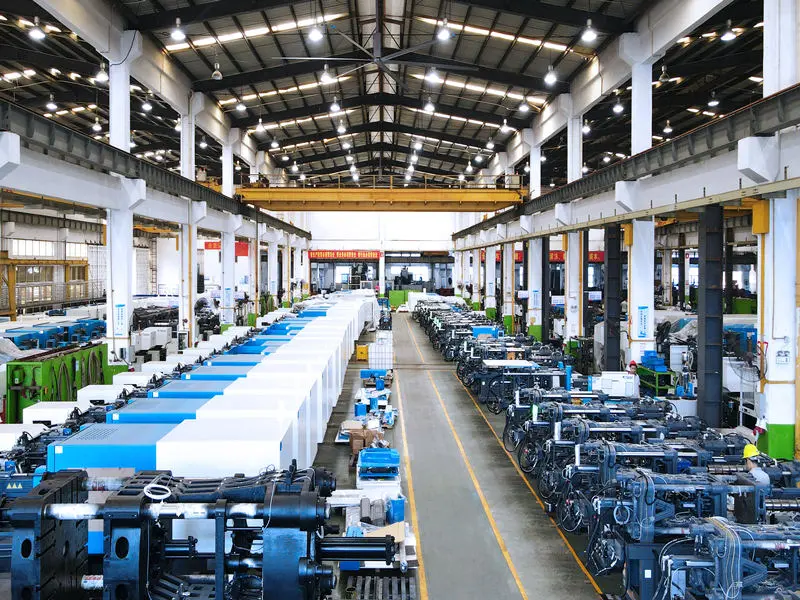
In today’s competitive manufacturing environment, plastic components play a critical role across industries such as automotive, healthcare, electronics, packaging, and consumer goods. From precision medical tools to everyday household items, the demand for consistent, durable, and cost-effective plastic parts continues to rise. At the center of this production ecosystem is the injection molding manufacturer, a partner that directly influences product quality, production efficiency, and long-term business success.
Selecting the right manufacturing partner is not just about price or machine size. It involves understanding processes, material expertise, quality control systems, and the ability to scale with your business. As markets become more demanding and customers expect tighter tolerances and faster delivery, working with a reliable injection molding manufacturer has become a strategic decision rather than a simple vendor choice.
This article explores the role of injection molding in modern manufacturing, what sets a dependable manufacturer apart, and how businesses can make informed decisions that support growth, innovation, and product consistency.
Table of Contents
ToggleThe Role of Injection Molding in Modern Manufacturing
Injection molding remains one of the most widely used methods for producing plastic components at scale. The process involves melting thermoplastic materials and injecting them into precisely engineered molds, where they cool and solidify into final shapes. This method allows manufacturers to produce complex geometries with high repeatability and minimal waste.
A professional injection molding manufacturer uses advanced machinery and refined tooling techniques to ensure that every molded part meets exact specifications. This consistency is particularly valuable in industries where tolerances are tight and performance requirements are non-negotiable. Over time, injection molding has evolved with automation, digital monitoring, and material science advancements, making it more efficient and adaptable than ever before.
Beyond mass production, injection molding also supports product innovation. Manufacturers can adjust designs, materials, and mold configurations to improve functionality, aesthetics, and durability. This flexibility makes injection molding suitable for both high-volume production and specialized applications.
Why Manufacturer Selection Matters
The choice of an injection molding manufacturer affects every stage of a product’s lifecycle. A well-equipped manufacturer contributes to smoother prototyping, faster production ramp-ups, and fewer defects during mass manufacturing. On the other hand, an inexperienced or poorly managed supplier can lead to delays, inconsistent quality, and unexpected costs.
A dependable injection molding manufacturer brings technical expertise, engineering support, and process optimization to the table. This collaboration helps businesses reduce production risks and improve time-to-market. The right partner also understands regulatory requirements and industry standards, ensuring compliance without compromising efficiency.
As customer expectations rise, manufacturers must deliver not only parts but also reliability, transparency, and adaptability. Choosing wisely can protect brand reputation and support long-term profitability.
Materials Knowledge and Application Expertise
Material selection plays a vital role in injection molding success. Different applications demand specific properties such as strength, flexibility, heat resistance, or chemical stability. An experienced injection molding manufacturer understands how various thermoplastics behave under pressure, heat, and repeated use.
Rather than offering a one-size-fits-all approach, a skilled manufacturer evaluates the product’s intended use and recommends suitable materials. This guidance can improve performance while keeping costs under control. For example, selecting the right resin can reduce cycle times, extend mold life, and minimize post-production issues.
Material expertise also supports sustainability goals. Many manufacturers now work with recycled or bio-based plastics, helping businesses reduce environmental impact without sacrificing quality.
Tooling and Mold Design Capabilities
High-quality molds are the foundation of successful injection molding. Precision tooling ensures consistent part dimensions, smooth surface finishes, and efficient production cycles. A capable injection molding manufacturer invests heavily in mold design, maintenance, and optimization.
Modern mold design integrates simulation software to predict material flow, cooling behavior, and potential defects. This proactive approach reduces trial-and-error and shortens development timelines. Manufacturers with in-house tooling capabilities also respond faster to design changes and maintenance needs, reducing downtime.
Well-designed molds not only improve part quality but also extend production life, making them a critical factor in overall cost efficiency.
Quality Control and Process Consistency
Quality assurance is a defining characteristic of a professional injection molding manufacturer. Consistent production requires strict monitoring of parameters such as temperature, pressure, cycle time, and material consistency. Even small variations can affect part performance and appearance.
Manufacturers with robust quality systems implement inspection protocols at multiple stages of production. This includes raw material checks, in-process monitoring, and final part inspections. Advanced measurement tools and automated monitoring systems help detect deviations early, preventing large-scale defects.
Process consistency builds trust between manufacturers and clients. When quality is predictable, businesses can plan inventory, reduce returns, and maintain customer satisfaction.
Scalability and Production Flexibility
As businesses grow, production needs often change. A reliable injection molding manufacturer offers scalability, allowing clients to increase or adjust output without sacrificing quality. This flexibility is especially important for companies launching new products or entering new markets.
Scalable manufacturers invest in a range of machine sizes and automation technologies. This enables them to handle both low-volume pilot runs and high-volume production efficiently. Flexible scheduling and capacity planning further support clients during demand fluctuations.
By partnering with a manufacturer capable of scaling operations, businesses avoid the need to switch suppliers as they grow, maintaining continuity and reducing risk.
Cost Efficiency Beyond Unit Price
While unit cost is an important consideration, it should not be the sole deciding factor. A cost-effective injection molding manufacturer focuses on overall value rather than just initial pricing. Efficient production processes, reduced scrap rates, and optimized cycle times contribute to long-term savings.
Manufacturers who collaborate during the design phase can suggest modifications that reduce material usage or simplify molds. These design for manufacturability insights often result in significant cost reductions over time.
Transparent pricing structures and clear communication also help businesses plan budgets accurately, avoiding unexpected expenses during production.
Lead Times and Reliability
Timely delivery is critical in competitive markets. A dependable injection molding manufacturer prioritizes realistic lead times and reliable scheduling. Missed deadlines can disrupt supply chains and damage customer relationships.
Manufacturers with well-organized workflows, inventory management systems, and proactive communication are better equipped to meet delivery commitments. Consistent lead times allow businesses to synchronize production schedules and respond quickly to market demands.
Reliability is not just about speed but also about consistency. Delivering the right parts at the right time builds confidence and long-term partnerships.
Industry Experience and Compliance Awareness
Different industries have unique requirements and standards. An experienced injection molding manufacturer understands these nuances and adapts processes accordingly. Whether producing components for medical devices or automotive assemblies, compliance with regulations is essential.
Manufacturers with industry-specific experience can anticipate challenges and implement solutions that meet both functional and regulatory expectations. This expertise reduces approval timelines and minimizes the risk of non-compliance.
Working with a manufacturer who understands your industry helps ensure smoother production and fewer surprises.
Communication and Partnership Approach
Successful manufacturing relationships are built on clear communication and collaboration. A professional injection molding manufacturer acts as a partner rather than just a supplier. Open dialogue during design, production, and post-production phases leads to better outcomes.
Responsive communication helps resolve issues quickly and keeps projects on track. Manufacturers who share insights, updates, and recommendations contribute to continuous improvement and innovation.
Strong partnerships also foster trust, enabling long-term cooperation and mutual growth.
Innovation and Technology Adoption
The injection molding industry continues to evolve with advancements in automation, data analytics, and machine intelligence. A forward-thinking injection molding manufacturer invests in modern technology to improve efficiency and precision.
Automation reduces human error and enhances repeatability, while real-time monitoring allows for faster adjustments. These technologies support higher quality standards and faster production cycles.
Manufacturers who embrace innovation are better positioned to support complex projects and adapt to changing market demands.
Environmental Responsibility in Manufacturing
Sustainability has become a priority for many businesses. An environmentally responsible injection molding manufacturer incorporates practices that reduce waste, energy consumption, and emissions.
This may include using energy-efficient machinery, recycling scrap material, and offering sustainable material options. Environmentally conscious manufacturing not only benefits the planet but also aligns with consumer expectations and corporate responsibility goals.
Choosing a manufacturer committed to sustainability supports both ethical values and long-term business viability.
Long-Term Value of the Right Manufacturing Partner
The relationship with an injection molding manufacturer often extends beyond a single project. Long-term partnerships lead to deeper process understanding, better optimization, and continuous improvement. Over time, manufacturers become familiar with product requirements and quality expectations, resulting in smoother operations.
Consistency, reliability, and shared goals define successful partnerships. Businesses that invest time in selecting the right manufacturer often see improved efficiency, reduced costs, and higher customer satisfaction.
A trusted manufacturing partner becomes an extension of the business, contributing to innovation and sustained success.
Final Thoughts on Making the Right Choice
Choosing an injection molding manufacturer is a decision that influences product quality, operational efficiency, and brand reputation. Beyond machinery and pricing, factors such as expertise, communication, scalability, and quality systems play a vital role.
By focusing on long-term value rather than short-term savings, businesses can build strong partnerships that support growth and innovation. A well-selected injection molding manufacturer offers more than production capabilities; it provides reliability, insight, and confidence in every molded part delivered.
In an increasingly competitive manufacturing landscape, the right partner can make the difference between meeting expectations and exceeding them.